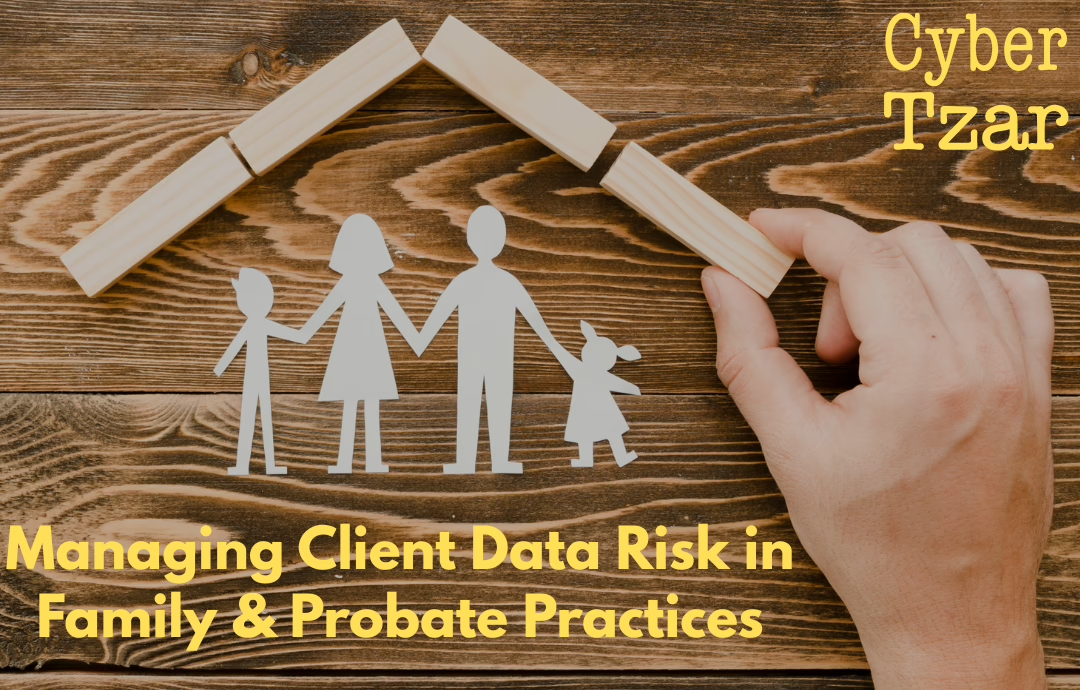
Family and probate solicitors deal with some of the most sensitive personal data in the legal sector — wills, financial settlements, divorce proceedings, medical history, custody arrangements, and more.
In many cases, the data isn’t just personal — it’s deeply private. And that makes these firms a growing target for cybercriminals, opportunists, and fraudsters.
If you’re running or working within a family law or probate practice in 2025, the question isn’t whether cybersecurity affects your work — it’s how much risk you’re carrying without realising it.
Why These Practices Are Especially Exposed
📨 Email-heavy communication – Clients often email sensitive documents unencrypted.
🧾 Document-heavy workflows – Scanned ID, bank statements, and court papers often live in shared folders with minimal access control.
👪 Emotional urgency – Clients in distress may push to cut corners or rush through processes — which opens the door to manipulation.
🏠 High financial impact – Transactions related to property, inheritance, and settlements attract fraudsters looking for a big payout.
🔒 Small teams, stretched IT – Many firms still operate without full-time cybersecurity support.
And when a breach happens, the fallout is personal. It’s not just a client ID number — it’s someone’s will, divorce decree, or child custody plan.
The Emerging Threats
-
Business Email Compromise (BEC) – Fraudsters intercept or mimic solicitor emails to reroute funds or extract data.
-
Ransomware – Locking case files, disrupting court deadlines, and forcing expensive recovery.
-
Spoofing and phishing – Impersonating the firm to trick clients into sharing data or making payments.
-
Supply chain risk – Many practices use outsourced IT, document management, or transcription services with little security scrutiny.
Best Practices for Data Protection in Family Law and Probate
-
Secure email gateways – Use encrypted email for sharing personal data. Educate clients on safe digital communication.
-
Strong access control – Limit who can view, edit, or move client files — including temporary staff.
-
Regular backups and testing – Ensure critical data is backed up daily and can be restored within hours.
-
Review supplier contracts – Make sure IT, hosting, and document partners meet minimum cyber standards.
-
Train for social engineering – Staff must be alert to phishing, voice spoofing, and client impersonation attempts.
How Cyber Tzar Supports High-Risk Legal Practices
Cyber Tzar works with legal firms — including family and probate specialists — to identify and reduce cyber risk at speed and scale.
✅ Scan your digital footprint for vulnerabilities and exposure
✅ Benchmark your security against similar legal practices
✅ Assess suppliers and platforms for compliance and resilience
✅ Generate reports aligned with Lexcel, GDPR, and client due diligence requests
Whether you’re a sole practitioner or part of a multi-office practice, we help you keep your clients’ most private matters protected.
⚖️ Want to know where your practice is vulnerable?
Book a free risk scan at cybertzar.com